
Published · Loren Wernette
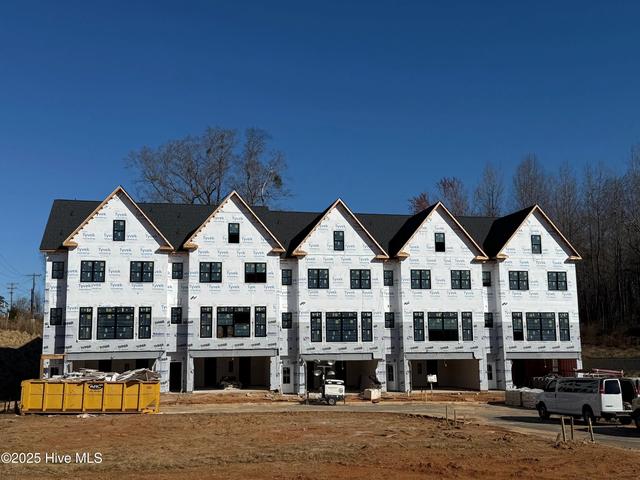
From the Blue Ridge Mountains to the beaches of Wilmington, North Carolina is having a moment — and not just in tourism. The real estate market across the Tar Heel State is heating up in ways that have builders buzzing, investors watching closely, and homebuyers both excited and slightly panicked. So what’s really going on?
Let’s look at inventory levels, the pace of new construction, what builders are betting on, and why NC might just be the next big thing in real estate — if it isn’t already.
The Inventory Drought: Where Did All the Homes Go?
If you’re a buyer in North Carolina looking for a reasonably priced home, chances are you’ve felt like someone trying to find a snow cone in the Sahara. Inventory is historically low. As of early 2024, most NC metros are sitting well below the six-month supply considered a “balanced” market — cities like Raleigh and Charlotte are closer to 1.5–2 months.
Why does it matter? Low inventory puts upward pressure on prices. It creates bidding wars, accelerates appreciation, and leaves both locals and transplants scrambling for options.
Builders to the Rescue? Kind Of…
Builders are picking up the slack. Housing starts in the South are up year over year, and permit activity is climbing steadily, with permits pulled at a fast clip in key NC metros. But here’s the kicker: builders aren’t building at every price point equally.
Most new construction skews toward mid-to-high price points — typically $300,000 to $500,000, with luxury builds reaching well into the $700K+ range in hot spots. Higher land, labor, and materials costs mean the math often doesn’t work on starter homes, so the entry-level inventory gap keeps widening.
Example: In Wake County (home to Raleigh), a builder who once focused on sub-$250K homes now starts at $420K. “The margins just aren’t there on the lower end,” one developer explained. “We’d rather build fewer, higher-priced homes than lose money on starter homes.”
Where the Boom Is Booming Most
Charlotte continues to attract corporate relocations and out-of-state buyers, with development sprawling into Gastonia, Concord, and Huntersville. Raleigh/Durham (the Triangle) sees consistent demand from a robust tech and medical job market, with new subdivisions in Apex, Holly Springs, and Clayton. Wilmington is fast becoming a retiree and second-home hot spot. And Greenville and Fayetteville are showing growth thanks to affordability and military-adjacent job markets.
A Boiling Pot of Migration and Momentum
Population growth is another driver. North Carolina is one of the fastest-growing states in the country thanks to inbound migration, ranking high for affordability, quality of life, and economic opportunity. Companies like Apple, Toyota, and VinFast are investing billions into NC facilities, creating thousands of jobs and fueling housing demand — especially around Research Triangle Park and Greensboro. Think of NC as a rising stock: it’s not just the market today that’s appealing, but the trajectory.
What It Means for Investors and Developers
The story isn’t just about now — it’s about what’s next. Builders are aiming for middle-tier buyers, but there’s a looming opportunity in the underserved entry-level market. Investors and developers who can creatively solve that puzzle — through build-to-rent, infill projects, or modular housing — stand to benefit. Meanwhile, “second-tier” markets today could be the next Mooresville or Cary in five years.
Final Thought
North Carolina’s real estate boom isn’t a fluke — it’s a function of tight inventory, active construction (mostly at mid-to-high price points), and strong economic undercurrents. Whether you’re a buyer, builder, or investor, understanding these dynamics is key to navigating one of the most compelling housing markets in the country for the next decade.